
Dental Treatment for Diabetic Patients
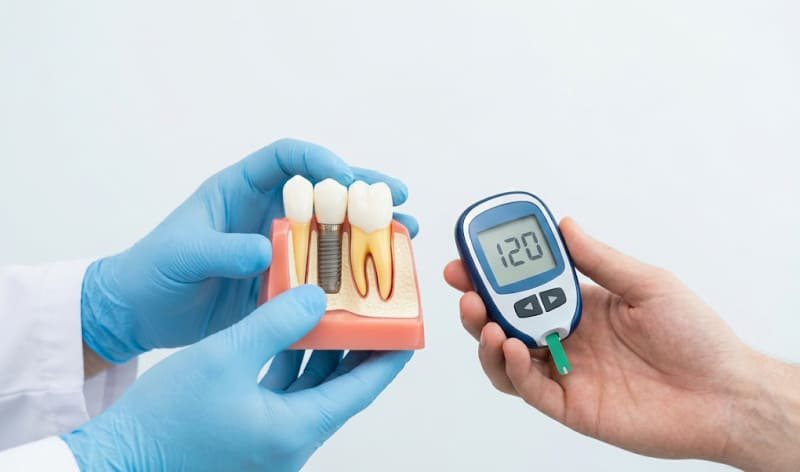
Can diabetics get dental work done? Yes!
People with diabetes can safely get routine and surgical dental work done, provided their blood sugar is well-managed.
Key Considerations for Dental Treatment with Diabetes
Diabetes does not necessarily prevent you from receiving dental treatment. However, maintaining stable blood sugar levels and taking a few extra precautions can help ensure a safer and more comfortable experience.
Blood Sugar Control
Patients with well-controlled diabetes can generally undergo routine dental procedures, including cleanings, fillings, extractions, and dental implants. If blood sugar levels are consistently high or poorly controlled, certain non-urgent treatments may need to be postponed until the condition is better managed.
Healing and Infection Risk
Elevated blood sugar levels can slow the healing process and increase the risk of gum disease, infections, and complications following dental procedures. Good oral hygiene and proper diabetes management are essential for maintaining oral health.
Appointment Timing
Morning appointments may be suitable for some patients with diabetes, particularly those using insulin. However, appointment times should be planned around your usual meals, medication schedule, and blood sugar levels to reduce the risk of hypoglycemia.
Communication with Your Dentist
Always inform your dentist about your diabetes type, medications, recent HbA1c results, and any history of high or low blood sugar episodes. This information helps your dental team develop a treatment plan tailored to your individual needs.
Your Health Comes First
At Denart Dental Clinic, we consider each patient’s medical history and individual health needs before planning dental treatment. Our goal is to provide safe, personalized dental care while supporting your overall well-being.
How Oral Health Affects Diabetes
Chronic systemic inflammation:
Severe gum disease (periodontitis) creates ongoing inflammation in the gums. This inflammation releases chemicals into the bloodstream that can impair the body’s ability to use insulin properly, raising blood glucose levels.
Harder blood sugar management: Active oral infections and gum disease make it much more difficult to keep blood sugar within a safe, targeted range.
Lowering HbA1c:
Treating gum disease through professional dental care can actually help lower blood sugar levels, with studies showing a meaningful drop in HbA1c (by about 0.4%).
Common Oral Complications of Diabetes
* Gum Disease (Gingivitis and Periodontitis): People with diabetes are at a significantly higher risk for swollen, bleeding, or receding gums, loose teeth, and potential tooth loss.
* Dry Mouth (Xerostomia): Less saliva means acids, food particles, and bacteria linger longer, increasing the risk of cavities and mouth sores.
* Oral Thrush (Candidiasis): A fungal infection that causes painful white patches in the mouth, often triggered by high sugar in saliva and dry conditions.
* Delayed Healing: Tissue recovery after dental work, extractions, or cleanings takes longer.
Actionable Care Tips
* Control Blood Sugar: Managing your overall glucose levels is the most effective way to protect your teeth and gums.
* Maintain Daily Hygiene: Brush at least twice a day with fluoride toothpaste and clean between your teeth daily using floss or interdental brushes.
* Visit the Dentist Regularly: Schedule checkups and cleanings with the American Dental Association or your local dentist at least twice a year (or more frequently if you have active gum disease).
* Inform Your Dental Team: Always let your dentist know you have diabetes, what medications you take, and how well your blood sugar is managed.
Communication with Your Dentist
Always inform your dentist about your diabetes type, medications, recent HbA1c results, and any history of high or low blood sugar episodes. This information helps your dental team develop a treatment plan tailored to your individual needs.
Your Health Comes First
At Denart Dental Clinic, we consider each patient’s medical history and individual health needs before planning dental treatment. Our goal is to provide safe, personalized dental care while supporting your overall well-being.
- The information provided on this page is for general educational purposes only and does not replace professional medical or dental advice. Treatment suitability depends on each patient's individual health condition and should be assessed by a qualified healthcare professional.
Contact us
Fill in the form and send us, our coordinators will get back to you within 24 hours with our ideas, a personalised treatment plan & prices.
Office Hours
- Monday 8:30 - 8:00PM
- Tuesday 8:30 - 6:00PM
- Wednesday 8:30 - 6:00PM
- Thursday 8:30 - 6:00PM
- Friday 8:30 - 6:00PM
- Saturday 8:30 - 6:00PM
- Sorgun, 8091. Sk. No:7, 07600 Manavgat/Antalya
If you wish to share dental photos for treatment evaluation, please email them to: [email protected]
*We need photos similar to these.
ABOUT
PATIENT FEEDBACK
CONTACT US
- +90 530 409 7818 (English)
- +90 533 601 0974 (German)
- [email protected]
- Monday 8:30 - 7:00 PM
- Antalya, Manavgat